


A leaking toilet can start as a small nuisance and turn into a much larger plumbing problem if it goes unnoticed. You might see water around the base of the toilet, hear a toilet refilling long after a flush, or notice increases in your water bill. These warnings often point to a part inside the toilet that has worn out or is malfunctioning.
How Plumbers Find the Source of a Toilet Leak
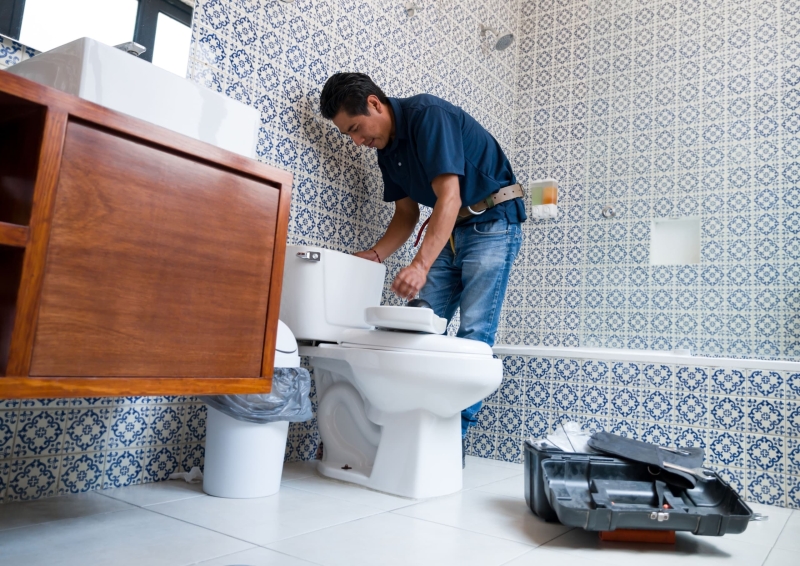
Toilets contain several internal components that control flushing, water flow, and sealing. When one part wears down or malfunctions, water can escape through the tank, the base, or inside the bowl itself. A professional inspection begins with determining where the leak originates.
A professional often begins by checking the tank and supply line connections. Small drips can form where the water line connects to the fill valve. A slow leak may also appear beneath the tank if mounting bolts loosen or washers degrade. Then the inside of the tank is inspected. It’s necessary to observe how the tank refills and how the water level stabilizes to determine the underlying issue.
Visual inspection also includes the base of the toilet. Moisture around the floor may signal a seal problem rather than a tank issue. Because several components work together inside a toilet, careful observation allows a plumber to identify the specific part responsible for the leak instead of replacing parts at random.
Worn Flappers Often Cause Silent Water Loss
The flapper sits at the bottom of the toilet tank and controls when water moves into the bowl during a flush. When you press the handle, the flapper lifts and allows water to rush through the flush valve opening. After the tank empties, the flapper drops back into place and seals the opening so the tank can refill. This small rubber part handles constant movement and water exposure, which eventually leads to wear.
As the flapper ages, its rubber surface becomes stiff or uneven. When that happens, the seal between the flapper and the flush valve opening may not close tightly. Water then slips slowly into the bowl even when the toilet is not in use. You might hear the toilet refill periodically or notice the tank water level dropping between flushes.
During professional repair, a plumber inspects the shape and flexibility of the flapper. If the rubber surface shows distortion or mineral buildup, the part is replaced with a properly matched component. Once replaced, the tank should hold water steadily without the need for constant refilling.
Faulty Fill Valves Can Create Continuous Leaks
The fill valve controls how water enters the toilet tank after each flush. It regulates the refill cycle and shuts off the water supply once the tank reaches the proper level. When the valve fails to close properly, water continues flowing into the tank even when the system should be at rest.
A failing fill valve often reveals itself through constant running water or a faint hissing sound coming from inside the tank. In some cases, the tank slowly overfills and sends water down the overflow tube. Although the toilet appears functional, water usage increases because the system never fully stops refilling.
Professional diagnosis focuses on how the fill valve responds during the refill cycle. A plumber observes the float mechanism, water level, and shutoff point. Mineral buildup, worn internal seals, or damaged float assemblies can interfere with normal operation. Replacing the fill valve restores proper control of water flow and stops the steady loss of water that often accompanies a leaking toilet.
Cracks in the Tank or Bowl Require Careful Inspection
Toilet leaks sometimes originate from structural damage rather than internal parts. Tanks and bowls are made from durable ceramic materials, though they can develop hairline cracks due to age, impact, or installation stress. These cracks may allow water to escape slowly and collect around the base of the fixture.
Small cracks can be difficult to detect during a quick glance. Water may seep along the porcelain surface and appear far from the original opening. A plumber often dries the exterior of the tank and bowl before observing whether moisture reappears during the flush cycle. Careful inspection around bolt holes and the underside of the tank can reveal damage that leads to steady leaks.
When cracks are confirmed, the solution often involves replacing the damaged component. Attempting to seal structural cracks rarely provides a lasting repair because water pressure and daily use place stress on the material. Replacing the affected tank or the entire toilet prevents repeated leaks and protects the surrounding flooring.
Base Seal Failures Can Allow Water to Reach the Floor
Another common source of toilet leaks involves the wax seal beneath the base of the fixture. This seal connects the toilet outlet to the drainpipe in the floor. When the seal compresses correctly, it prevents wastewater and moisture from escaping. If the seal deteriorates or shifts, water can leak onto the floor.
Signs of a failed seal often appear after flushing. You may notice water pooling around the base or detect a faint odor from the opening of the drain. Movement of the toilet itself can also indicate a compromised seal. Even a slight shift in the fixture can break the watertight connection between the toilet and the drain flange.
Repairing this type of leak requires removing the toilet from the floor so that the seal can be replaced properly. A plumber checks the condition of the drain flange and installs a new seal before resetting the fixture. Once secured and leveled, the toilet should remain stable and leak-free.
How Professional Leaking Toilet Solutions Help
Toilet leaks often involve more than one worn component. A flapper may wear out while a fill valve begins to fail at the same time. Addressing only one part can allow another issue to continue wasting water. A professional inspection evaluates the entire fixture to confirm that all internal components function correctly.
Plumbers also examine how the toilet interacts with surrounding plumbing lines. Supply valves, shutoff connections, and water pressure can affect how internal parts perform. When these factors are reviewed together, repairs address the root cause rather than the most visible symptom.
When Professional Diagnosis Makes the Difference
Toilet leaks can appear simple at first glance, though the underlying cause may involve multiple parts working together. A trained plumber understands how the flush system, water supply, and drainage connection interact inside a single fixture. That experience allows problems to be identified quickly without replacing unnecessary components.
Professional service also helps homeowners avoid damage to surrounding surfaces. Water that escapes unnoticed can weaken flooring, stain walls, or affect nearby cabinetry. Early repair keeps the leak contained and prevents those secondary problems from developing.
Homeowners often begin searching for toilet repair in Colorado when a leak becomes visible or persistent. Professionals familiar with plumbing in Loveland homes can evaluate each component of a toilet and restore reliable performance.
Stopping Toilet Leaks Before They Get Worse
When a toilet begins leaking, the issue can quickly worsen. A loose seal, worn internal part, or hidden crack can allow water to escape or waste water through constant refilling. Addressing the problem early protects your home and keeps your plumbing system working the way it should.
Schedule plumbing service with Mountain Valley and let our team stop toilet leaks before they lead to larger repairs.