


If your shower suddenly feels more like a drizzle than a spray, you’re not alone. Low water pressure is one of the most common plumbing complaints homeowners experience across Colorado.
Weak water flow can make simple things frustrating… showers take longer, washing machines fill slowly, and sinks become less useful when you need them most.
The good news is that low water pressure usually has a clear cause. In many cases, the problem can be traced back to mineral buildup, hidden leaks, or a faulty pressure regulator. Understanding what’s happening behind the scenes can help you figure out whether it’s a quick fix or time to call a professional plumber.
Mineral Buildup From Colorado’s Hard Water
Colorado’s water often contains minerals like calcium and magnesium. Over time, these minerals can build up inside pipes, faucets, and showerheads.
As those deposits grow, they restrict water flow and slowly reduce pressure throughout your plumbing system.
You might notice signs like:
- White or chalky residue around faucets
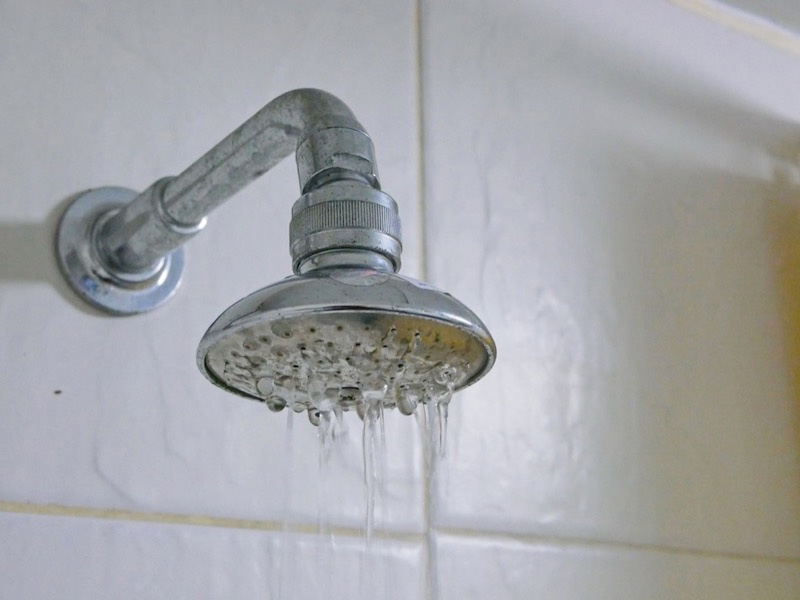
- Uneven spray patterns from showerheads
- Gradually weakening water pressure over time
Sometimes the fix is simple. Cleaning or replacing faucet aerators and showerheads can restore normal flow. If buildup has formed deeper inside the pipes, a professional plumbing inspection may be needed to clear the obstruction.
Hidden Plumbing Leaks
Another common cause of low water pressure is a leak somewhere in your plumbing system.
When water escapes from a pipe before it reaches your faucet, the pressure drops throughout the home. Even small leaks can affect how your fixtures perform.
Watch for warning signs such as:
- Higher than normal water bills
- Damp spots on walls or ceilings
- The sound of running water when nothing is turned on
- Low pressure throughout multiple fixtures
Leaks can occur inside walls, under floors, or underground, which makes them difficult to locate without professional equipment. If the pressure drop appears suddenly, it’s a good idea to have a plumber inspect your system.
Faulty Water Pressure Regulators
Many Colorado homes use a water pressure regulator (also called a pressure reducing valve or PRV). This device keeps water pressure at safe levels as it enters your home.
When the regulator begins to fail, it can cause sudden pressure changes throughout the entire house.
Common signs of a failing regulator include:
- Water pressure that suddenly drops
- Weak flow from every faucet
- Pressure that fluctuates between strong and weak
Since the regulator controls the pressure for your entire plumbing system, replacing it is usually a job best handled by an experienced plumber.
Old or Corroded Pipes
In older Colorado homes, aging pipes can also contribute to weak water flow.
Galvanized steel pipes, common in older plumbing systems, can corrode over time. As corrosion builds inside the pipe, it narrows the pathway for water.
This means less water can travel through the system, which results in noticeable pressure loss at sinks, showers, and appliances.
If corrosion is the issue, a plumber may recommend replacing sections of piping to restore proper water flow.
Clogged Fixtures or Appliances
Sometimes the problem isn’t the whole plumbing system, it’s just one fixture.
Sediment and debris can clog faucet aerators, showerheads, or appliance supply lines. When that happens, water pressure may drop in one sink or shower while the rest of the home works normally.
Before calling for repairs, try checking:
- Showerheads for mineral buildup
- Faucet aerators for debris
- Water supply valves under sinks
If cleaning the fixture doesn’t help, there may be a deeper plumbing issue.
Simple Troubleshooting Steps for Low Water Pressure
If you’re experiencing weak water flow, a few quick checks can help narrow down the cause.
- Turn on multiple faucets to see if the issue affects the entire house
- Clean faucet aerators and showerheads
- Look for visible leaks under sinks or around exposed pipes
- Ask neighbors if they’re experiencing the same issue
If the pressure problem continues after basic troubleshooting, it may be time to call a professional plumber to diagnose the issue.
Professional Plumbing Repair in Loveland
Low water pressure can be frustrating, but it’s often a sign that something in your plumbing system needs attention.
Mineral buildup, hidden leaks, aging pipes, or failing pressure regulators can all affect how water flows through your home. The sooner the problem is identified, the easier it is to fix before it turns into a bigger repair.
If your Colorado home is dealing with weak water flow, the experienced team at Mountain Valley Plumbing, Heating, and Cooling can help. From leak detection to pipe repair and water pressure solutions, their plumbers are ready to restore reliable water flow to your home.
Schedule your plumbing service today and get your water pressure back where it should be.