






New installation: We determine the appropriate system size and identify any gas-line, venting, electrical, or drainage updates needed for installation.
Tankless Water Heaters in Loveland, CO
Reliable hot water depends on choosing a system that can handle your household’s actual demand. Mountain Valley installs, replaces, repairs, and maintains tankless water heaters in Loveland, CO, with system recommendations tailored to local conditions and your home’s needs.
We account for local winter conditions and your home’s existing gas and venting setup before recommending equipment. Mountain Valley has a 4.9-star rating across 800+ customer reviews.
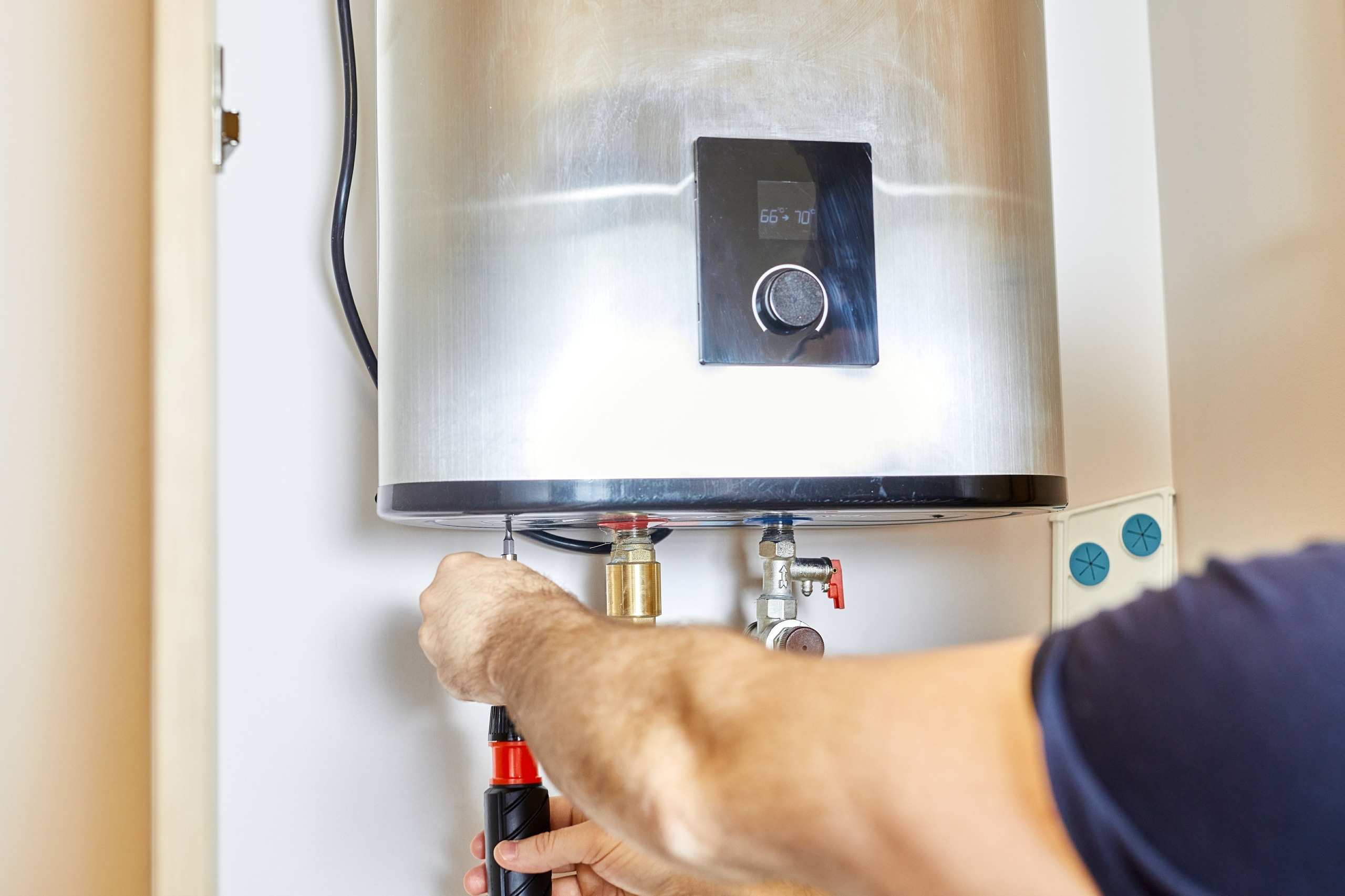
Tankless Water Heater Installation, Replacement, Repair, and Maintenance
The right tankless water heater service depends on whether you’re installing a system for the first time, replacing an existing unit, or troubleshooting a performance problem. We begin by evaluating your home’s hot-water demand, fuel supply, venting, and installation location so the recommendation fits your Loveland property.
Depending on the service you need, our evaluation may include:
Our licensed, background-checked, and drug-screened technicians explain the recommended work before it begins. Same-day service may be available depending on scheduling. Learn more about our tankless water heater installation and service throughout Northern Colorado.
Tankless or Traditional Water Heater: Which Fits Your Home?
Tankless water heaters heat water on demand rather than storing it in a tank. They reduce standby energy loss, take up less space, and can provide continuous hot water as long as household demand stays within the unit’s capacity. With proper installation and routine maintenance, a tankless system can provide reliable service for many years.
Tankless systems can require a more involved installation, especially when converting from a conventional storage tank. The project may require changes to gas piping, venting, condensate drainage, or electrical service. A traditional tank replacement is often simpler when the home’s existing connections are already compatible with the new equipment.
| Consideration | Tankless Water Heater | Traditional Tank Water Heater |
|---|---|---|
| Hot water delivery | Heats water on demand within the unit’s capacity | Stores a set volume of heated water |
| Space | Compact, wall-mounted options available | Requires space for the storage tank |
| Installation | May require gas, venting, electrical, or drainage updates | Often simpler when replacing an existing tank |
| Energy use | Avoids standby heat loss from stored water | Maintains stored water at the set temperature |
| Best fit | Homes suited to the required flow rate and installation setup | Homes prioritizing straightforward replacement and stored capacity |
The best option depends on your household’s hot-water demand, available space, existing gas or electrical infrastructure, and installation budget. Tankless systems may appeal to homeowners who want a compact system and on-demand hot water, while a conventional tank can make sense when a simpler replacement is the priority.
Loveland homeowners considering available incentives may also want to compare qualifying heat-pump water heaters through current local rebate programs. Review our utility rebate information or request an estimate to compare options for your home.
Proper Tankless Sizing for Loveland Homes
A tankless water heater must be sized for both the required temperature rise and your home’s simultaneous hot-water demand, not just the manufacturer’s advertised maximum GPM.
During Northern Colorado winters, colder incoming water requires the unit to raise the temperature farther before delivering hot water. As temperature rise increases, the amount of hot water a tankless system can supply at once may decrease.
Simultaneous hot-water use is one of the biggest sizing factors. Multiple showers, faucets, appliances, or a large soaking tub can push demand beyond an undersized unit’s available output. Gas supply and proper altitude setup can also influence tankless performance in Northern Colorado.
Mountain Valley reviews manufacturer flow-versus-temperature-rise data, household routines, fixture demand, gas supply, and installation location before recommending equipment. The goal is to select a system that can meet realistic peak demand instead of relying on ideal-condition ratings. Explore our full range of plumbing and HVAC services in Loveland.
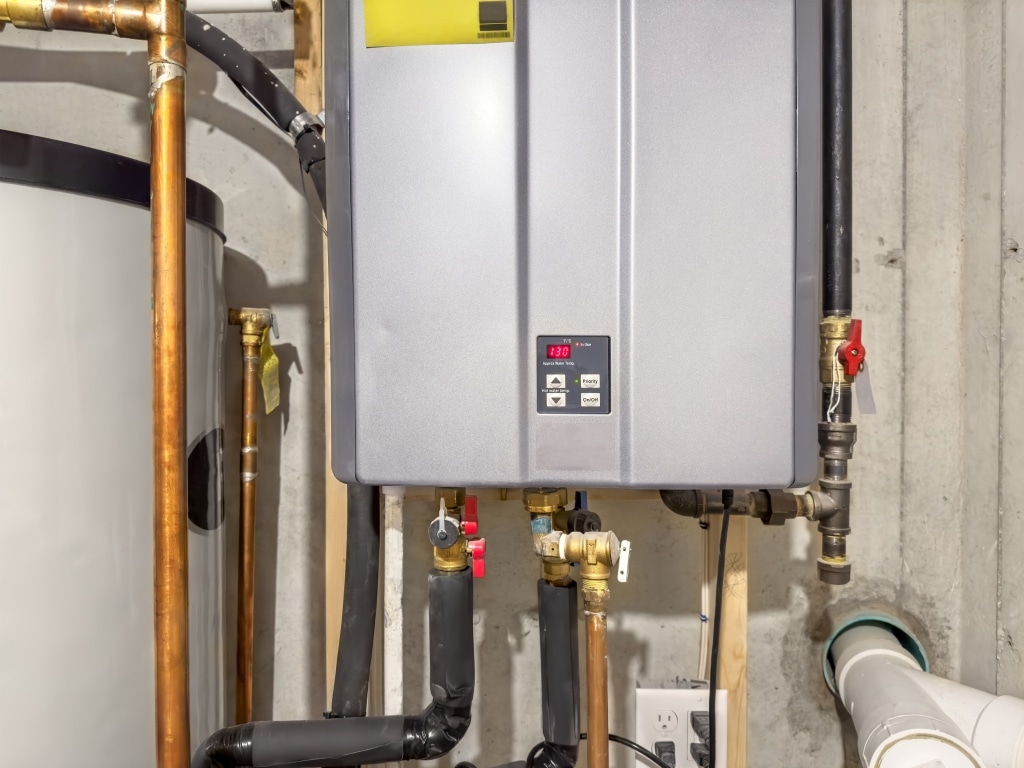
What Affects a Tank-to-Tankless Water Heater Conversion?
Replacing an existing tankless unit is usually more straightforward than converting a home from a storage-tank water heater. Before a conversion, we inspect the existing gas line, venting route, combustion-air requirements, water connections, shutoff valves, and service access. Condensing tankless systems also need a suitable method for condensate drainage.
Tank-to-tankless conversions may require gas-line upsizing, new venting, electrical work, or condensate drainage depending on the existing system and the equipment selected.
Installation costs vary because the required upgrades and site conditions differ from one home to another. The project should also account for applicable City of Loveland permit and inspection requirements before installation begins.
Mountain Valley provides upfront, flat-rate pricing based on the scope of the job, so you know the cost before work begins. Under our Safe Clean Home Guarantee, if our work causes a leak or property damage, we make it right and provide a $100 dinner gift card.
Signs Your Tankless Water Heater Needs Service
Common signs that a tankless water heater may need professional service include:
- Error codes or fault indicators on the unit display
- No hot water or fluctuating water temperatures
- Reduced flow from hot water fixtures throughout the home
- Ignition problems or failure to start
- Unusual noises during operation
- Visible moisture or leaks around the unit
Addressing tankless water heater problems early can help reduce the risk of an unexpected loss of hot water. Diagnosis may include checking water flow, the heat exchanger, ignition or combustion components, venting, controls, and system connections. Identifying the source of the problem allows the technician to recommend the appropriate repair based on the actual fault.
Preventive service may include inspection, flushing, or descaling based on the manufacturer’s recommendations, local water conditions, and system use. Mineral deposits can accumulate inside the heat exchanger over time, so maintenance intervals should reflect the equipment, water conditions, and actual household usage.
If you’re experiencing problems with either type of system, learn more about our tank and tankless water heater repair services.
Tankless Water Heater FAQs for Loveland Homeowners
How much does tankless water heater installation cost in Loveland, CO?
Tankless water heater installation costs in Loveland depend on the equipment selected and the work required at your home. Replacing an existing tankless unit is typically less involved than converting from a storage-tank system, which may require gas-line upgrades, new venting, electrical work, condensate drainage, permits, or other installation changes.
Mountain Valley provides upfront, flat-rate pricing based on the equipment and installation scope identified for your home. Request an estimate to review the recommended system, required installation work, and total job price before work begins.
Can a tankless water heater run two showers at the same time?
Often, yes. A properly sized tankless water heater can supply two showers at the same time if their combined flow rate stays within the system’s available capacity. The unit should be selected for Northern Colorado’s winter temperature rise and your household’s total simultaneous hot-water demand, not just its maximum advertised GPM.
Other hot-water uses occurring at the same time can increase total demand, including faucets, appliances, or a large tub fill. We review fixture flow rates and your household’s typical usage patterns to recommend a system that can maintain the required flow and delivery temperature during peak use.
Is tankless or a traditional water heater better for my Loveland home?
Neither option is automatically better. Tankless water heaters may suit homeowners who value space savings and on-demand hot water, while a conventional tank can be practical when a straightforward replacement and simpler installation are priorities.
The right choice depends on your budget, available space, hot-water demand, existing gas or electrical infrastructure, and the installation changes your home may require. If rebates are part of your decision, it may also be worth comparing eligible heat-pump water heater options.
How often does a tankless water heater need maintenance?
Tankless water heater maintenance intervals depend on the manufacturer’s recommendations, local water conditions, and how the system is used. Annual inspection and flushing or descaling is a common starting point, but the appropriate schedule can vary based on the equipment and the rate of mineral buildup.
A maintenance visit may include checking the heat exchanger, water flow, ignition or combustion components, venting, condensate drainage, and system connections. Routine service can help maintain performance and identify developing problems before they lead to a loss of hot water.
Are rebates available for tankless water heaters in Loveland?
Rebate programs and equipment eligibility change over time. Current City of Loveland residential incentives specifically include qualifying heat-pump water heaters through Efficiency Works, so homeowners considering rebates should compare current program requirements before choosing a replacement system.
Mountain Valley can help you compare water heater options based on your home, installation requirements, and current incentive eligibility. Because rebate programs can change, confirm current requirements before selecting equipment.