


Colder inlet water and increased heat loss make water heaters work much harder in winter. With comprehensive water heater maintenance in Loveland, CO, you can avoid noticeable spikes in your energy bill. You can also protect your indoor air quality (IAQ), your hot water quality, and the lifespan of your water heater. Take advantage of the six winter plumbing tips that follow to prime your water heater for the cold season.
1. Flush Out All Sediment
Tap water has varying concentrations of hard water minerals. Dissolved calcium and magnesium precipitate out during water heating and settle on interior components and tank bottoms. As these minerals coat water heaters’ heating elements, they decrease efficiency. This sediment also sets the stage for advanced corrosion, tank leaks, and loud noises during operation.
Flushing your water heater’s tank before winter arrives will limit your wintertime water heating costs. This could lead to significant savings if you have lots of holiday guests, kids home from school, or residents who work remotely. With household members and visitors spending more time indoors, your hot water demand will rise. With a pre-winter water heater flush, you’ll have a more consistent hot water supply. You’ll also have a lower risk of costly mid-season repairs.
Do Tankless Water Heaters Need Flushing?
Given that standard, tank-based water heaters hold water all the time, they tend to develop sediment faster than tankless water heaters. However, tankless water heaters can develop hard water buildups, too. Like standard water heaters, tankless water heaters need to be flushed at least once each year.
2. Insulate Your Water Heater’s Tank and Pipes
Local winters are cold and snowy. With the average nighttime temperature hovering at just 20 degrees Fahrenheit, frozen pipes are a common concern for plumbing in Loveland and the nearby areas. This is especially true for locals with water heaters in remote, unheated spaces such as basements or garages.
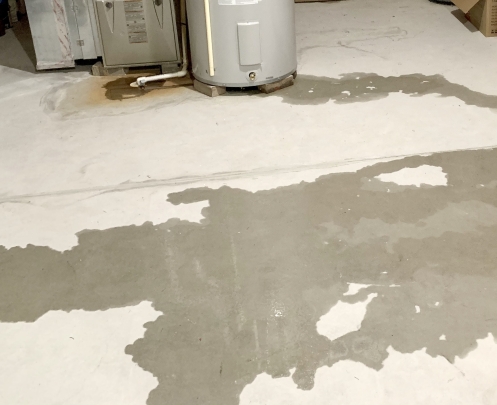
When warm indoor air comes in contact with cold water heater tanks and pipes, condensation forms, which sets the stage for corrosion and eventual leaks.
You can minimize the risk of freezing, condensation, and corrosion by insulating your water heater’s tank and its pipes. Insulation also enhances the efficiency of standard water heaters by reducing standby energy losses.
What About Tankless Water Heaters?
If you have a tankless water heater rather than a standard tank-based model, you should insulate its pipes. However, you should not insulate the unit itself. Insulating tankless water heater pipes is vital for outdoor installations and for tankless water heaters in remote, unheated building areas. As with standard water heaters, insulation enhances efficiency, prevents freezing, and staves off condensation and corrosion.
What’s the Best Insulation Type?
You can choose from several popular insulating materials when weatherizing your standard or tankless water heater:
- Heat tape
- Polyethylene sleeves
- Foam insulation
- Fiberglass blankets or sleeves
In areas where shut-off valves and pipes have direct exposure to freezing temperatures, heat tape is an excellent choice. Always follow the manufacturer’s instructions when applying heat tape. Make sure that no sections of heat tape overlap and only plug heat tape into ground-fault circuit interrupter (GFCI) outlets. For added protection, you can also place fiberglass or another non-flammable insulation over heat tape.
For water heater tanks, fiberglass blankets are low in cost, readily available, and easy to install. However, they also absorb moisture. If your water heater is in a damp basement or other high-moisture area, using a fiberglass blanket could set the stage for rusting.
Foam insulation is flexible, light, and capable of providing an airtight seal. However, foam insulation can melt at higher temperatures. You should never use it with heat tape or on actual tank bodies.
If you have a hard time finding the right insulation types and amounts for each water heater component, consult with a licensed plumber. Plumbers consider water heaters’ locations, corrosion risks, and other factors. This helps them determine the best mix of insulating materials for every appliance and home.
3. Check the Pressure Relief Valve
All standard tank-based water heaters have temperature and pressure relief (TPR) valves. These safety devices release heat and steam whenever internal temperature or pressure rises too high. A functional TPR valve can prevent tank explosions, ruptures, pressure-related leaks, and more. It gives excess pressure and steam a way out so that they don’t create exits of their own.
Regularly testing TPR valves clears mineral buildups and other deposits that can cause these components to stick. It ensures water heater safety and protects a water heater’s lifespan.
To test your TPR valve, place a basin or bucket beneath the discharge pipe. Lift the valve lever and release hot water. You should get a steady stream. If no water comes out, contact a plumber. To keep things simple, you can also have a licensed plumber test your water heater’s TPR valve for you.
Pressure Relief in Tankless Water Heaters
Tankless water heaters do not have TPR valves. They don’t have tanks, and thus, they aren’t at risk of tank ruptures and explosions. However, for code compliance, these appliances do have pressure-only relief valves near their hot water outlets. Testing these valves is a complex process that’s best handled by a seasoned plumber.
4. Consider Replacing the Anode Rod
To protect their tanks from corrosion, standard water heaters have sacrificial anode rods. These rods travel the length of tanks and essentially sacrifice themselves by corroding in place of tank materials. This electrochemical process gives anode rods very short lifespans. In general, homeowners should replace these rods every three to five years. If you haven’t replaced yours in a while, consider doing so before the cold season arrives.
5. Test, Calibrate, and Adjust the Thermostat
Your water heater’s thermostat must be able to read temperatures accurately. If it can’t, your water heater won’t have the ability to regulate the temperature of its stored water. Over time, thermostats can experience calibration drift. Water heater thermostats can also succumb to the ravages of hard water minerals and corrosion.
During professional water heater service, plumbers test and calibrate thermostats. They also check for safe temperature settings. Most experts recommend setting water heater thermostats to 120 degrees Fahrenheit.
6. Inspect Fuel Supply Lines, Exhaust Vents, and Electrical Connections
If you have a gas-fired water heater, have its gas supply line and connections professionally inspected. Both electric water heaters and modern gas water heaters require electricity for their starting mechanisms. Each year, a plumber should inspect all your water heater’s electrical and fuel connections.
Gas water heaters produce carbon monoxide (CO) and other dangerous emissions during fuel combustion. These gases are the natural byproducts of incomplete fuel combustion. A plumber can make sure that your water heater is venting exhaust correctly. You should also inspect and test your home’s CO alarms and replace their backup batteries.
Schedule Your Winter Water Heater Maintenance Today
As a trusted, local plumber, Mountain Valley Plumbing, Heating, and Cooling offers expert water heater maintenance in Colorado. We’ve proudly served the region since 2007, and we’re a top choice for all things plumbing in Loveland and the surrounding communities. Locals can turn to us for easy online scheduling, same-day service, and competitive pricing.
For more winter plumbing tips or to schedule professional water heater service in Loveland, contact Mountain Valley Plumbing, Heating, and Cooling today.