

Top 5 Signs Your Furnace Needs Repair Before Winter Hits
As winter approaches, checking your home’s heating system is crucial. Knowing the early signs that your furnace needs repair helps with winter prep. This keeps your home warm and cozy in the cold. If not fixed on time, small problems can become big, expensive ones. This article will examine five signs that your Loveland, CO furnace needs repair.
Key Takeaways
- Pay attention to unusual noises, as they may indicate serious issues.
- Uneven heating across your home can lead to increased energy bills.
- Monitor your energy bills for sudden spikes that suggest furnace malfunction.
- Check the color of your pilot light for potential combustion issues.
- Short cycling can reduce your furnace’s lifespan, indicating the need for repairs.
Understanding the Importance of Furnace Repair
Your furnace does more than keep your house warm; it ensures your home is cozy during winter. It’s crucial for keeping your home warm and safe. Regularly fixing and inspecting your furnace can make it work better. This helps avoid sudden problems and expensive fixes.
The Role of Your Furnace in Home Comfort
A good furnace keeps you warm and improves the air you breathe in your home. It works without trouble by checking and changing its filter every few months. If you take care of it now, you’ll spend less on energy later. Plus, your furnace could last five years longer, avoiding uneven heating in your home.
Why Timely Repairs Matter for Safety and Efficiency
Putting off HVAC repairs or an HVAC replacement can be dangerous, leading to gas leaks or carbon monoxide. Check it if your furnace makes strange sounds, doesn’t heat well, or turns on and off too much. Fixing things like ignition or airflow problems right away helps it run better. Regular checks save you money by using less fuel.
Sign 1: Unusual Noises Coming From Your Furnace
It can be worrying when your furnace starts making odd noises. Sounds like banging, rattling, and screeching should grab your attention. These are often signs of deeper problems that could get worse if ignored. Knowing these sounds can help you keep your furnace running well.
Banging, Rattling, and Screeching Sounds
Banging noises may come from combustion issues, like gas building up due to ignition delays. This can cause a small explosion and wear out the furnace. Rattling could mean loose parts that stress the system if not secured. Screeching noises might show that motor bearings or belts need oil or replacement.
What These Noises Could Indicate
Not fixing these sounds can lead to expensive repairs later. Here are some possible problems to be aware of:
| Noise Type | Possible Cause | Action Needed |
|---|---|---|
| Banging | Delayed ignition causing gas buildup | Seek professional heating repair |
| Rattling | Loose components | Tighten or replace parts |
| Screeching | Worn motor bearings or belts | Lubricate or replace as necessary |
| Scraping | Faulty blower wheel | Inspect and repair |
| Buzzing | Loose parts causing vibration | Professional inspection required |
| Whistling | Restricted airflow from a dirty filter | Replace or clean filter |
If your furnace makes banging, popping, or strange noises, you should get a pro to check it. Getting help early can stop more damage and help your furnace last longer.
Sign 2: Inconsistent Heating Across Your Home
If some rooms in your home are colder, you might have inconsistent heating. This problem could come from many furnace issues. It’s not just about comfort; it also affects how well your heating works.
Identifying Cold Spots and Temperature Fluctuations
Noticing temperature changes helps determine if something’s wrong with your heating. Look out for:
- Rooms stay cooler, which means heat isn’t spreading evenly.
- More dust around your home is a sign your furnace might not be filtering air right.
- Needing to change the thermostat often to stay comfortable.
Potential Causes of Uneven Heating
Different issues can cause your home’s heating to be uneven:
- Duct Blockages: Blocked airflow from dust or pet hair can make some areas cold.
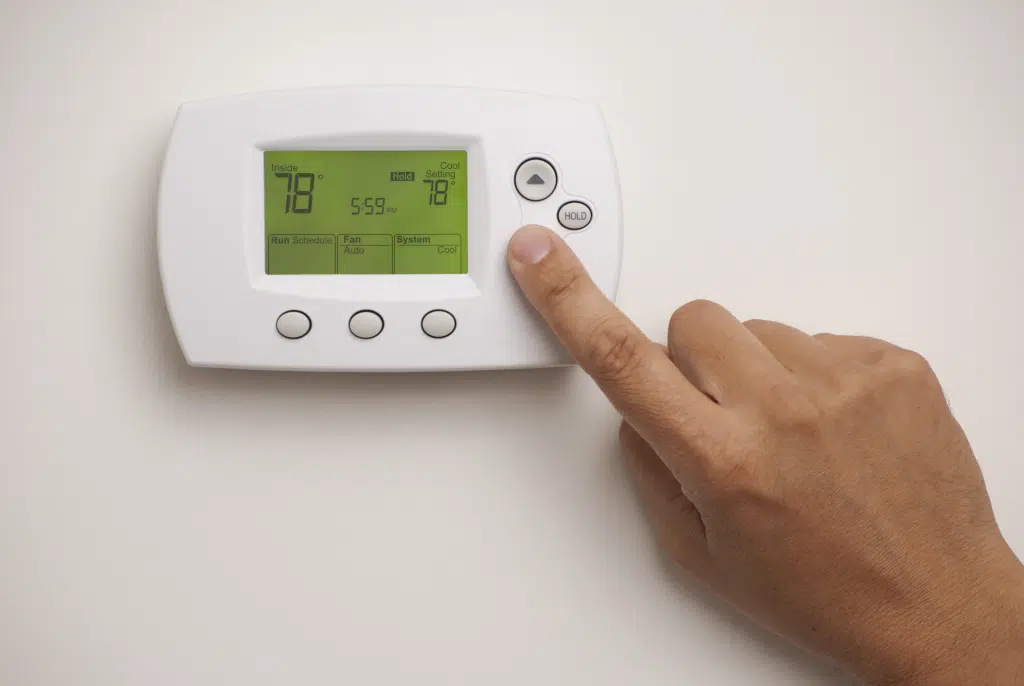
- Thermostat Issues: A broken thermostat can give wrong readings, messing up your furnace’s rhythm.
- Aging Systems: Old furnaces around 15 years old, may not distribute heat well.
- Air Quality Problems: If your air seems bad, it might mean your heating system is failing, which can lead to more dust and allergens.
It might be time to check your system if your heating is uneven, especially if you’ve needed several emergency fixes. Keeping your heating system in good shape is key to making it last longer and work better.
Sign 3: Sudden Increase in Energy Bills
A sudden spike in your energy bills can mean your furnace is overworking. This might be due to issues unrelated to your regular use, which can lower your furnace’s energy efficiency.
Understanding Energy Efficiency in Your Heating System
Several factors can lead to your HVAC using too much energy. Key issues include:
- A dirty air filter restricts airflow and forces the furnace to work harder.
- A malfunctioning thermostat that improperly regulates temperature settings.
- An aging heating system loses efficiency after 10 to 15 years of service.
Fixing these problems can help you save on your energy bills each month. Being aware of these issues is key to lowering your energy use.
What to Check for Underlying Issues
Regular checks and maintenance can spot and fix problems early. Make sure to:
- Replace your air filters every few months to ensure optimal airflow.
- Inspect the thermostat for any signs of malfunction.
- Schedule professional HVAC service if you notice frequent breakdowns or repairs, as these may suggest that your system is nearing the end of its lifespan.
Investing in furnace service can reduce inefficiencies and extend your system’s life. A well-kept gas furnace can last 15 to 20 years. Electric ones can last 20 to 30 years with good care. Don’t overlook rising energy bills. They can help you avoid discomfort, save money, and reduce safety risks.
Sign 4: Changes in the Color of Your Pilot Light
The color of your pilot light shows how healthy your furnace is. It should be a bright blue flame. If it’s yellow or flickers, this could mean trouble. It signals that your furnace might not be burning properly. This could even lead to dangerous carbon monoxide gas.
Recognizing Normal vs. Abnormal Pilot Light Colors
Knowing what different pilot light colors mean helps you fix your furnace. Here’s what the colors indicate:
| Pilot Light Color | Indication |
|---|---|
| Blue | Normal operation; indicates complete combustion. |
| Yellow | Possible ventilation issues; suggests incomplete combustion. |
| Flickering or Unstable Flame | Potential gas flow problems or dirt in the burner. |
The Risks of a Yellow Pilot Light
A yellow pilot light is not good and can be dangerous. It usually means the fuel isn’t burning right. This could cause carbon monoxide to build up in your home. You’ll need to fix this quickly to keep your home safe.
Seeing your pilot light turn yellow means you should get help from a pro. Doing this fast can fix dangers and make your furnace work better. It also helps your heating system last longer.
Sign 5: Frequent On/Off Cycling of the Furnace
A furnace that turns on and off a lot is short cycling. This can happen if the thermostat is not working right or if the air filter is dirty. Noticing how often your furnace cycles is key to avoiding problems and keeping your home comfortable.
Understanding Short Cycling and Its Implications
In a normal heating system, furnaces turn on and off 3 to 8 times an hour. If it happens more often, that’s short cycling. It can make your heating system less efficient and wear it out faster. Regular checks can spot these issues early.
Common Causes of Short Cycling
Short cycling can happen for several reasons. Knowing why can help you fix your furnace faster.
- Dirty Air Filters: A dirty filter blocks airflow, causing overheating and automatic shutoffs.
- Malfunctioning Thermostat: A broken thermostat can get temperature readings wrong, causing the furnace to cycle too much.
- Improperly Sized Furnace: A too-big furnace for your home will turn on and off more, using extra energy.
- Blocked Flue Pipes: Blockages in flue pipes can overheat the furnace and make it shut down often.
- Faulty Flame Sensor: A malfunctioning flame sensor can shut the furnace off too soon.
Changing air filters regularly can prevent these issues. Aim to get your furnace checked every year to keep it running well. Handling these problems quickly can save you money on repairs and keep your home warm in winter.
| Cause | Impact on Furnace |
|---|---|
| Dirty Air Filter | Reduces airflow, leading to overheating |
| Malfunctioning Thermostat | Causes improper temperature regulation |
| Oversized Furnace | Increased cycling, wasting energy |
| Blocked Flue | Overheating and frequent shutdowns |
| Faulty Flame Sensor | Premature cycling, requiring repair |
The Benefits of Regular Furnace Maintenance
Making sure your furnace gets regular maintenance is key. It keeps it working well, is reliable, and lasts longer. By engaging in heating system maintenance, you’ll face fewer major repairs. And you’ll be cozier when it’s cold outside.
How Maintenance Can Prevent Major Repairs
Scheduling routine furnace checks helps catch small problems early. This prevents big, expensive fixes later. With consistent upkeep, you enjoy these perks:
- Up to 30% savings on energy costs for improved efficiency.
- A furnace that lasts about 20% longer with regular care.
- Lower bills from a well-running system.
- Better air in your home from clean filters.
- A safer home by finding problems like gas leaks early.
Getting your furnace checked every year also keeps your warranty valid. Plus, it meets insurance rules. This way, you’re covered if something goes wrong.
Choosing the Right HVAC Service for Your Needs
Finding the right furnace pros is important for good maintenance. Ideal technicians will offer:
| Service Features | Benefits |
|---|---|
| Thorough furnace checks | They find dangers like carbon monoxide leaks. |
| Regular cleaning of parts | This makes your system run better and last longer. |
| Emergency repair choices | Reduces hassle if sudden issues occur. |
| Flexible maintenance plans | Tailors the service to your needs and wallet. |
By keeping up with furnace maintenance and choosing skilled pros, you’ll keep your heating efficient. And, you’ll enjoy a warm, safe house through the winter.
When to Call for Professional Help
Knowing when to get professional help for your furnace is very important. It keeps your home safe and cozy. If you see sure signs, you must fix your furnace quickly. Waiting too long can cause bigger problems later.
Indicators You Need Emergency Furnace Repair
Watch for these signs that you need a quick furnace fix:
- Frequent breakdowns: Often, problems mean it’s time for an expert to look.
- Unusual odors: Bad smells, like gas or something burning, are serious and need a pro immediately.
- Persistent noise issues: If it’s always noisy, it might be a big issue that a tech needs to check.
- Carbon monoxide detection: If your alarm sounds, leave your house fast and call for help.
What to Expect from Trusted Furnace Technicians
Choosing a good HVAC service means experts will take care of your furnace. Here’s what they do:
- Thorough assessments: They use tools to check your furnace fully.
- Regular maintenance: They keep your furnace in good shape to make it last longer.
- Expert recommendations: They’ll tell you if you need to fix or replace something after they check.
- Greater safety: Their checks can stop dangerous leaks, keeping you safe from harm.
| Issue | Description | Recommended Action |
|---|---|---|
| Frequent Breakdowns | Furnace fails multiple times during the heating season. | Call for emergency furnace repair to diagnose and fix issues. |
| Bad Odors | Presence of strange or foul odors from the furnace. | Evacuate and contact HVAC service for immediate inspection. |
| Noisy Operation | Unusual noises such as banging or squealing. | Schedule a professional heating repair to investigate. |
| Carbon Monoxide Alarm | Detector alerts you of dangerous gas levels. | Evacuate and call emergency services for HVAC professionals. |
Affordable Furnace Services Available in Your Area
Finding an affordable furnace service is key for homeowners before winter. Local HVAC contractors can offer reliable yet cheap solutions. This ensures your home stays warm without breaking the bank.
Exploring Cost-Effective Repair Options
Repair or replacement of your furnace should not drain your wallet. Some options offer good service without being too pricey. First, check your furnace’s condition to see if it needs a simple or complete replacement.
Things to look out for include:
- Age of the furnace exceeding 15 years.
- Repair costs that exceed 50% of a new furnace’s price.
- Increased energy bills indicate inefficiency.
Don’t forget the value of regular maintenance. It can make your furnace last longer and work better. Trustworthy technicians can inspect and suggest affordable fixes for your heating.
Finding Reliable HVAC Contractors Near You
It’s crucial to find reliable HVAC contractors for quality work. Top contractors usually:
- We offer emergency services and are there when you need us.
- Have transparent pricing without extra hidden costs.
- Are well-reviewed by their past clients.
Finding the right contractor means better handling of furnace issues or getting budget-friendly service offers. Companies like Mountain Valley Plumbing, Heating and Cooling are known for fair prices. They provide fast service and outstanding quality.
| Service Type | Description | Average Cost |
|---|---|---|
| Furnace Installation | Professional setup of a new heating unit | $2,500 – $6,000 |
| Furnace Repair | Fixing operational issues, such as leaks and inefficiency | $150 – $1,000 |
| Annual Maintenance | Inspections to ensure optimal performance and longevity | $100 – $300 |
By using these tips, you can find affordable furnace services. Choosing skilled technicians boosts your system’s lifespan and efficiency, keeping you cozy all winter.
Conclusion
As winter gets closer, ensuring your furnace works well for warmth and safety is critical. It’s important to fix problems and do regular upkeep. By checking your system regularly and watching for odd noises or uneven heating, you can avoid bigger, more expensive issues.
A furnace usually lasts between 15 to 20 years. If yours is getting old, think about if it still works well or needs replacing. Newer furnaces are more energy-efficient. This means they use less energy, lowering your bills.
Don’t let the cold surprise you—Contact Mountain Valley Plumbing, Heating and Cooling to get your furnace winter-ready. Fixing issues early and doing the needed upkeep keeps your house cozy when it’s cold outside.
FAQ
How do I know if my furnace needs repair?
Look for signs like unusual noises or inconsistent heating. A sudden rise in energy bills, a change in the pilot light’s color, or frequent cycling on and off are signs too. If you see these, it’s best to get a furnace technician to check it.
What should I do if I hear banging noises from my furnace?
Banging noises could mean ignition troubles or a delayed gas valve. Don’t ignore these sounds as they could turn into big repairs. Call a heating repair service to figure out and fix the issue.
Why is regular heating system maintenance important?
Regular check-ups catch small problems before they get worse. They make your system work better, extend its life, and lower the chance of winter emergencies.
What are the risks of a yellow pilot light?
A yellow or flickering pilot light means burning is not happening right. This could lead to dangerous carbon monoxide. If you see this, call a furnace expert right away.
When should I consider emergency furnace repair?
If your furnace makes ongoing weird noises, smells odd, or won’t start, it’s time for emergency care. Acting fast can stop more damage and keep your home warm in the winter.
How can I ensure my energy bills stay manageable in winter?
Doing regular furnace checks, changing filters, and getting maintenance can improve efficiency. A furnace in good shape needs less energy, which means lower bills.
What is short cycling in a furnace?
Short cycling means the furnace turns on and off too often in a short time. This could be due to a bad thermostat, a clogged filter, or heat exchanger problems. These need a pro to check and fix them.
How do I find affordable furnace repair services?
Search for reputable local HVAC contractors. Read reviews, compare prices, and check they offer full services like installation, repair, and upkeep. This way, you can find good yet affordable help.