

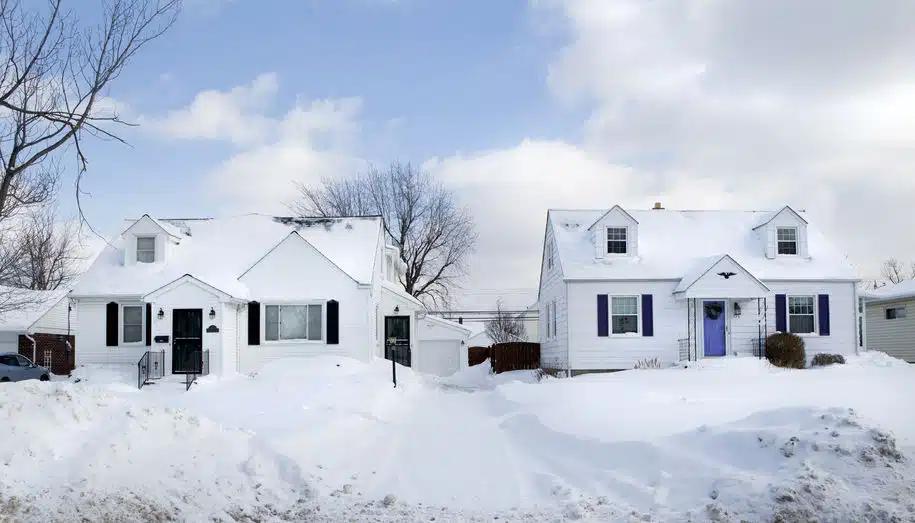
In Colorado, the snowmelt season usually starts in April. It can lead to significant damage to your home, including your plumbing system. Taking proactive steps could help prevent damage to your system, increasing the chances that it continues to function optimally and safely.
How Snowmelt Season Impacts Your Plumbing
Melting snow can affect both your land and house. For example, the oversaturated soil can shift, causing underground pipes to move. This could lead to pipe cracks, holes, and other damage, especially if they’re already old or vulnerable. In extreme cases, waterlogged soil might even cause pipes to collapse. Another contributing factor involves the freeze-thaw cycle. Water within the soil repeatedly freezes and melts, putting even more stress on the pipes. All the extra water could also strain municipal water systems, potentially causing sewage backups into your sinks, showers, and toilets.
Additionally, water can make its way into your basement and crawlspaces. If you have a sump pump and it malfunctions, or you don’t have one at all, you could face flooding.
Benefits of Prepping Your Plumbing
Preparing offers numerous benefits, including saving money on repairs, preventing emergency situations, and promoting system efficiency. Additional advantages include minimizing the risk of indoor flooding, sewage backups, and pipe bursts. It’s also important for helping to extend your system’s lifespan.
The Dangers of Not Prepping Your Plumbing
Some homeowners, including those who believe they’re not at risk, make the mistake of not preparing their plumbing. Unfortunately, water damage may occur, even if you haven’t experienced it before. Water could cause severe problems, including structural damage and mold growth. These issues could have serious financial consequences, from paying for mold remediation to replacing ruined belongings.
Why You Need a Checklist
Checklists can help you stay organized, ensuring that you don’t accidentally forget any important plumbing tasks. There are multiple ways to structure it, from taking a room-by-room approach to separating it by professional and personal tasks. Make this list early so you have time to add items that you may initially forget.
What to Include in Your Plumbing Checklist
There are several tasks to put on your plumbing checklist, but make sure to add tasks that pertain to your specific system. It’s also beneficial to ask a plumber what they recommend adding.
Schedule a Professional Inspection
Booking a professional inspection is one of the best things you can do for your plumbing system. During the appointment, our plumbers will complete various tasks, including making sure your backwater valve is in good condition. Assessing your sump pump, looking for leaks, and checking for corrosion are additional tasks we perform. We’ll inform you if we spot any problems within your system.
Take Care of Replacements or Repairs
If your plumbing system needs repairs or replacements, it’s a good idea to complete them before April. This can help get your system in strong condition prior to the start of snowmelt season. However, we strongly advise against DIY repairs because this could result in personal injury. Additionally, it could further damage your system, increasing the risk of problems during spring. For example, using chemical drain cleaners can damage your pipes. Professional drain cleaning is a safer, more effective option.
Conduct Self-Inspections
Performing inspections of your plumbing system is important year-round, including during snowmelt season. Keep an eye out for signs of potential issues, such as leaks, slow-draining water, strange noises, and foul odors. If you notice any problems, contact us for assistance.
Install Smart Water Leak Detectors
These devices send an alert to your smartphone if leaks occur within their vicinity. This lets you take prompt action, preventing issues like mold growth and wood rot. Some are battery-operated, so they’re easy to set up in crucial places. For example, you can put them below visible pipes, near drain lines, and by water-using appliances.
Clear Gutters and Downspouts
Gutters and downspouts direct water away from your home. In the process, they help stop water from pooling near the foundation and making its way inside. However, they can only work properly when water can flow freely. Have a professional remove the blockages that consist of debris, such as leaves and nests. They can also install gutter guards to prevent the debris from re-accumulating.
Plan for Plumbing Emergencies
Even if you think a plumbing emergency won’t occur at your home, it’s better to prepare beforehand than to wish afterward that you had. Start by creating a “kit” that you can grab if a situation arises. Include items like a sink plunger, a toilet plunger, a bucket, and old sheets or towels that you don’t mind discarding. Don’t forget water-resistant gloves and a flashlight. Make sure to also have our number easily accessible. We offer both standard appointments and emergency service.
Assess or Install a Sump Pump
If your area is prone to snowmelt, then you may need a sump pump. Consider asking a plumber to install one if you don’t already have this device. Its most significant benefit is that it prevents basement and crawlspace flooding. In addition, it helps safeguard the structural integrity of your home, reduces the risk of pest infestations, and protects your personal belongings.
It also reduces moisture levels in both the basement and crawlspace, which improves indoor air quality. Additionally, it prevents mold growth, which can occur within 24 to 48 hours.
If you already have a sump pump, our plumbers can check it during the plumbing inspection. However, you should also assess it regularly to make sure it’s operating properly. Signs that it’s not include if you hear strange noises, it’s constantly running, or it’s short-cycling. Another serious warning sign is if you see water accumulating. Once you notice problems, contact us promptly. Don’t try to fix the problem yourself.
Have Landscapers Assess Your Property
Landscape contractors should be one of your first calls if you’re worried that your home is at risk for snowmelt damage. Schedule a yard grading appointment so they can assess your property and determine the next steps. They may be able to make changes to the terrain so water flows away from your home instead of heading right toward it.
The cost and timeline of the project can vary dramatically. Factors include how much work is involved, the materials necessary, and the number of workers needed. Whether they need to install any drains or remove trees or other greenery also plays a part. Your best option is to schedule a consultation and be clear about what you want. The company can provide expert recommendations and estimates for both the timeline and cost.
Don’t let spring’s snowmelt season damage your plumbing system and property. Mountain Valley Plumbing and HVAC in Longmont, CO, provides plumbing inspections, maintenance, repairs, installations, and replacements. Call us now to schedule an appointment.